
Managing diabetes by switching up your lifestyle really makes a difference in people’s lives. There’s so much information out there and sometimes it just feels like too much to take in. I want to break things down in a way that’s easy to use, laying out which lifestyle changes work, what to eat, how to manage diabetes without medication, plus some unique tips and context for anyone living in Zambia or similar places.
What Are the Most Helpful Lifestyle Changes for Managing Diabetes?
Mixing up daily habits plays a huge role in keeping blood sugar steady. From my own experience, adding practical steps to your day makes diabetes less stressful to handle. Big improvements come from eating better, staying active, and making small tweaks in your routines. Here’s my go-to approach:
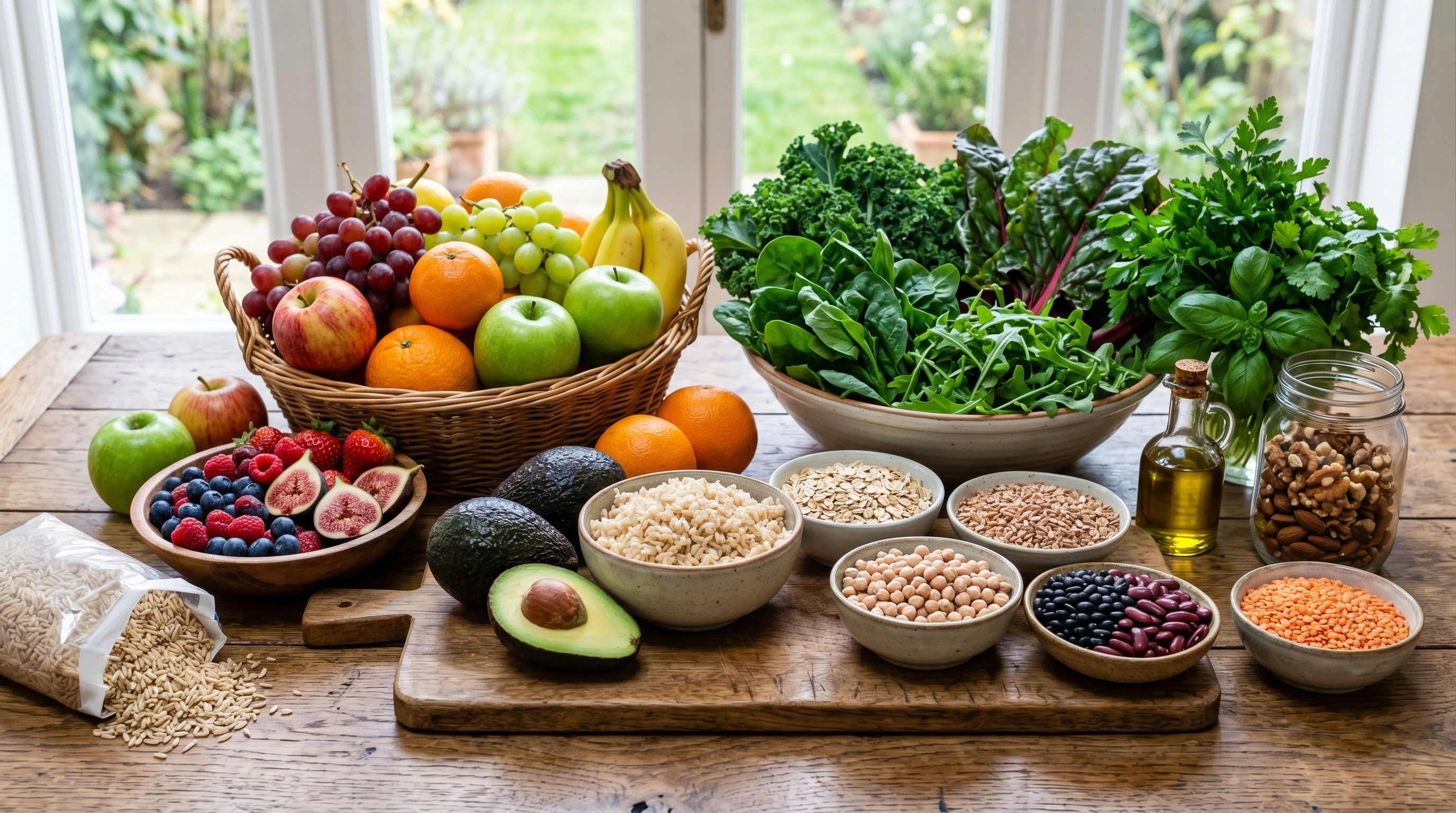
- Smart Food Choices: Eating more wholegrains, vegetables, fruits, lean proteins, and healthy fats gives my body the nutrition it needs. Highfibre foods keep me full longer and prevent fast blood sugar hikes. Swapping out packaged foods for nuts or fresh fruit can really make a difference, too.
- Consistent Meal Times: Sticking to regular meal times helps avoid the highs and lows with my sugar levels. I try to eat similar amounts at the same times every day which keeps things steady.
- Staying Active: I aim for thirty minutes of movement daily—like brisk walking, cycling, or even gardening. Activity helps the body burn extra sugar and increases insulin sensitivity.
- Cutting Sugar and Packaged Foods: I skip sugary sodas, packaged snacks, and foods high in unhealthy fats or added sugar.
- Slimming Down: Losing just five to seven percent of my weight helps control blood sugar. This approach works whether you’re dealing with type 2 or prediabetes.
- Handling Stress: Relaxation helps. Taking deep breaths, praying, or practicing gratitude helps keep my stress levels down and supports more stable sugar readings.
- Quitting Smoking & Moderating Alcohol: Staying away from tobacco and keeping alcohol limited goes a long way for kidneys, heart, nerves, and helps with blood sugar, too.
Getting Started with Healthier Eating: Which Fruits Are Good for Diabetes?
Picking the right fruits—both by type and portion—matters when you have diabetes. I keep an eye on fruits with lower glycemic indexes, since those don’t push blood sugar up too quickly. These are my top picks:
- Berries: Strawberries, blueberries, and raspberries are full of fiber and antioxidants. They hit the spot for sweetness without causing big blood sugar jumps.
- Apples & Pears: Keeping the skin on boosts fiber. One whole piece is enough for a snack.
- Citrus Fruits: Oranges and grapefruits are good choices, as long as I eat the fruit itself instead of just drinking the juice.
- Guava & Pawpaw (Papaya): These are common in Zambia and work great for a sweet treat, especially when I watch my serving size.
- Avocado: This creamy fruit is really low in sugar and adds fiber and healthy fat.
Bananas, mangoes, and pineapples are favorites around Zambia, but I stick to smaller portions because they can raise my blood sugar faster, especially when super ripe.
Actionable Steps: How to Control Diabetes Without Medicine
Sometimes, especially with early type 2 diabetes or prediabetes, you can manage blood sugar without medication. Don’t skip medical advice—your doctor should always be in the loop—but here’s what I (and lots of others) do:
- Move Your Body: I walk after meals, run errands on foot, and take the stairs when I can. Moving helps your muscles soak up sugar out of the bloodstream.
- Planning Balanced Plates: My meals pack plenty of vegetables, measured portions of brown nshima or rice, beans, and lean protein. I don’t overload my plate.
- Check Sugar Regularly: Home blood sugar checks help me spot problem patterns and make quick adjustments.
- Keep Stress Down: I build in short breaks to rest, listen to music, or spend time with loved ones to help keep my stress at bay.
- Prioritize Sleep: Skipping sleep makes sugar harder to manage. I always aim for seven to eight hours and avoid phone screens before bed.
Sometimes, lifestyle methods aren’t enough and medication is needed. That’s OK—it just means you’re giving your body what it needs at this point in time. Don’t see this as a setback, but as another tool to help you stay healthy.
Extra Advice: What is the 10 10 10 Rule for Diabetes?
The 10 10 10 rule is not an official medical guideline, but I hear about it a lot in some health circles. Some use it as a reminder to break up sitting time by moving for ten minutes every hour, for ten hours each day, or making sure their biggest meal is no later than 10 p.m. The details shift, but the core idea is to fit in small bursts of positive action throughout your day.
From my own routine, working in mini activity breaks and keeping meal times predictable keeps my sugar more steady. Pausing once every hour to stand, walk, or do a chore makes days at work or home less sedentary and a lot healthier.
Diabetes in Zambia: Unique Challenges and Solutions
Dealing with diabetes in Zambia comes with a few special hurdles, especially in faraway areas where medicine or healthy foods may cost more or be harder to find. Many local diets rely on lots of carbohydrates like nshima. Eating big portions or skipping extra veggies or proteins can make blood sugar spike more quickly in these cases.
Here’s how I handle it:
- Traditional Foods: I stack my plate with affordable greens like rape, kale, or pumpkin leaves. Beans, groundnuts, and fish are great protein swaps for pricier meats like beef or chicken.
- Community Support: Getting tips and staying motivated works much better with others. Neighborhood clinics and diabetes groups help me trade ideas, recipes, and encouragement when things get tough.
- Affordable Activity: Instead of the gym, I walk to the market or run daily errands by foot. Biking and visiting friends are good ways to move without extra cost.
Groups like Zambia’s Ministry of Health and the Diabetes Association of Zambia run free screenings and spread the word on best diabetes management. They’re a reliable resource for updates and community encouragement. Learn more from the Ministry of Health resources.
Common Questions About Diabetes and Lifestyle
Here are some questions I hear a lot, along with easy answers:
Question: What lifestyle changes can help manage diabetes?
Answer: Balanced eating, staying active, keeping a healthy weight, handling stress, and sleeping well really help get my diabetes on track.
Question: Which fruits are good for diabetes?
Answer: Apples, pears, berries, avocado, guava, pawpaw, and oranges all fit into my diet in the right portions.
Question: How to control diabetes without medicine?
Answer: Focusing on good food, moving more, keeping weight down, lowering stress, and tracking my blood sugar have all helped me manage my diabetes—even without always needing medicine, though I keep my doctor in the loop at all times.
Question: What is the 10 10 10 rule for diabetes?
Answer: For many, it means adding ten minutes of movement each hour or taking healthy action in regular, small doses. This routine helps maintain steady blood sugar day to day.
References and Further Reading
- World Health Organization. Diabetes Fact Sheet
- Diabetes Association of Zambia. Resources and Advocacy
- Mayo Clinic. Diabetes Management Basics
- Harvard T.H. Chan School of Public Health. Healthy Living to Prevent Diabetes
Even small, practical changes to your daily habits can add up. Check in with a clinic or join a local support group for ongoing help to keep your blood sugar numbers on track and take control of diabetes, wherever you live.