
Unhealthy habits can sneak into life and stick around longer than anyone wants. From snacking late at night and doom-scrolling on your phone to ignoring overdue exercise, most people have routines they’d like to change. Shaking those habits isn’t always about pure willpower. It’s about understanding why they pop up and learning what actually works to swap them out for something better. In this article, I’m breaking down the process into doable steps, realistic strategies, and some FAQ insights to help you start building healthier routines for good. Making positive changes is no small feat, but a few practical tools and steady support go a long way toward turning the page.
What Counts As an Unhealthy Habit?
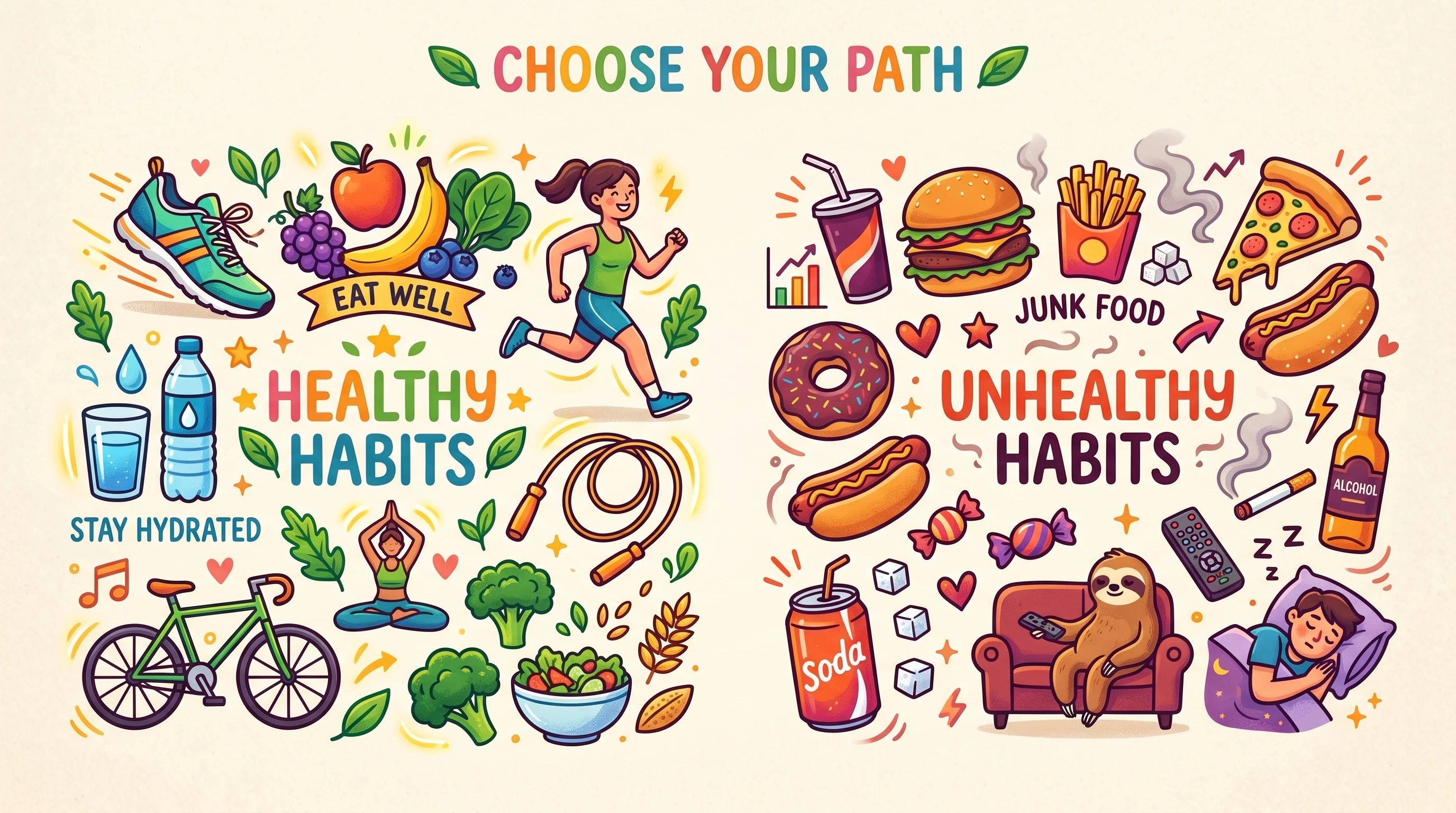
Unhealthy habits show up in patterns that, over time, get in the way of how you want to feel or act. Stuff like reaching for soda instead of water, skipping sleep to watch just one more episode, or biting nails out of stress are all examples. These habits can be physical, like smoking or skipping meals, or mental, like negative self-talk or procrastination. Understanding what falls in this category is a useful first step, since you can’t change what you don’t notice. Try writing down a list of your repeated behaviors, both physical and mental, over the course of a week. You might stumble upon habits you didn’t realize were running the show. This is very common.
Why Do Unhealthy Habits Stick?
Habits form because your brain likes shortcuts and predictability. That’s why you may automatically grab chips while watching TV, or reach for your phone at the first sign of boredom. Many unhealthy habits start as ways to cope with stress or fill a gap. Sometimes they happen just out of convenience. Consistency creates a loop; a trigger sets off the routine, and finishing gives a sense of reward, even if it’s short-lived.
Stress, lack of sleep, boredom, and emotional triggers are big drivers. Many folks also stick to old habits when a healthier alternative isn’t easy or doesn’t give the same instant payoff. Tweaking your environment and routine to make better options feel smoother helps break up those patterns. It can be as simple as moving a candy jar off your desk or setting a gentle bedtime reminder.
Simple Steps to Break an Unhealthy Habit
Breaking an unhealthy habit isn’t something you tackle overnight, but there’s a step-by-step approach that can guide you. Here’s what I’ve found to work best for many people but not :
- Get Clear on the Habit: Write down what you’re doing, when, and how you feel before and after. Noticing patterns makes them easier to disrupt.
- Identify Your Triggers: Every habit has a cue. It could be a time of day, an emotional state, or being in a specific place. Knowing yours is super important.
- Pick a Small Change: Going big rarely sticks. Instead, aim for a small switch, like drinking a glass of water before your usual soda break.
- Create a Simple Plan: Decide what you’ll do instead when the urge hits. Write it down, or set a reminder where you’ll see it.
- Track Your Progress: Use a calendar, journal, or app to mark wins and setbacks. Progress, even in baby steps, keeps you motivated.
- Reward Yourself: Celebrate in a healthy way when you stick to your plan, like treating yourself to a short walk, a new song download, or simply enjoying how good progress feels.
Popular Methods and How They Work
- The 3-3-3 Rule: This is about interrupting and redirecting urges. When you feel like falling back into an old habit, name three things you see, three things you hear, and move three parts of your body. This grounds you and can knock you out of autopilot mode long enough to make a different choice.
- Habit Stacking: Linking a new, healthy behavior to an existing habit makes it slip into your routine with less effort. For example, doing a short stretch every time you brush your teeth takes advantage of what you’re already doing daily.
- Environmental Tweaks: Changing your surroundings so unhealthy choices are harder to make, like keeping snacks out of sight or turning your phone on “do not disturb” before bed, makes it easier to choose differently.
To jumpstart your progress, try combining two or more of these methods. For example, adjust your environment and practice the 3-3-3 rule each time you’re triggered. The extra attention to cues can really give your new habits a boost.
Common Challenges and Real-Life Solutions
- Slip-Ups Happen: Everyone messes up now and then. Dwelling on failure can push people back into old patterns, but reframing a slip as just one moment keeps you moving forward. If you binge-watch after a long week, acknowledge it, then start fresh the next day.
- Your Social Circle: Friends or family can unknowingly tempt you to stick with old habits. It’s up to you to set gentle boundaries or ask for support. Swapping out Friday fastfood nights for healthy potlucks can be fun and help everyone. Even sharing your intention in a group chat can get others to cheer you on.
- Feeling Overwhelmed: Changing more than one habit at once gets overwhelming fast. Focus on one at a time, and let each success build your confidence before moving on to the next challenge. Remember: small victories stack up quicker than you think.
Is It Possible to Break a Habit in 30 Days?
Some folks wonder if it’s possible to ditch a bad habit in just 30 days. In my experience, it’s possible to make big headway, but total transformation depends on how long the habit’s been around and how driven you feel. Thirty days is enough to set up new routines, notice triggers, and build momentum. The real trick is consistency in the early days. Most research suggests it takes anywhere from three weeks to a couple of months for a new routine to feel automatic. So patience is key, and don’t get discouraged by a slow start.
Three Effective Strategies to Reduce Bad Habits
- Swap, Don’t Just Stop: Replacing the habit with something that hits the same need (like stress relief or boredom) raises your chance of success. This could mean chewing gum instead of nails, picking up a fidget toy, or prepping tea instead of grabbing soda. Try keeping replacements easily within reach.
- Make Obstacles: Increase the difficulty of doing the old habit. For example, keep junk food out of the house, leave your phone in another room overnight, or cancel streaming services you overuse. Even tiny changes can make big differences over time.
- Get Accountability: Telling a friend, family member, or even an online group what you’re working on can help. Check in regularly, and let someone know about your progress. External support can help keep those changes rolling when motivation dips.
Frequently Asked Questions
What is the 3-3-3 rule for breaking habits?
The 3-3-3 rule helps snap you out of autopilot when you feel an old habit forming. You pause, name three things you can see, three you hear, and move three parts of your body. This brings your awareness to the present, making it easier to choose a different action.
What are three strategies you can recommend to reduce bad habits?
First, swap the habit for something that meets the same need. Second, make it harder to access or perform the bad habit. Third, find an accountability buddy who checks in on you.
What are the steps to breaking a habit?
Identify the habit and its triggers. Pick a small, specific change. Make a realistic plan for what to do instead. Track your wins and setbacks. Celebrate progress, and keep going even if you slip.
How to stop bad habits in 30 days?
Focus on just one habit for the month. Use a daily tracker to notice your progress. Reach out for support if you need it, and celebrate small victories along the way. Don’t expect perfection, but keep putting in the effort each day.
Real Benefits of Breaking Unhealthy Habits
Shifting away from unhealthy routines isn’t only about what you’re “giving up.” Swapping out these patterns usually means you’ll get better sleep, feel less stressed, have more energy, and maybe even save some money. I’ve noticed that even one small positive switch can improve my focus or mood, which makes bigger changes feel possible over time.
- Better Sleep: Avoiding screens and caffeine before bed often leads to deeper sleep.
- More Energy: Eating healthier snacks or moving a bit each day can reduce that afternoon crash.
- Boosted Self-Esteem: Every time you stick to a healthy choice, your confidence grows, which spills over into other life areas.
Long-term, these changes can add up to more resilient mental health, stronger relationships, and improved physical wellness. Over time, those small wins can ripple out and transform more than just your daily routine.
Practical Examples: Swapping Habits In Real Life
People look for relatable swaps and easy wins. For example, one friend replaced latenight snacks with herbal tea; at first, it was out of curiosity, but it quickly turned into a pleasant ritual. Another scheduled tenminute “boredom walks” instead of scrolling Twitter when feeling restless. These small experiments can be surprising in how much they improve your quality of life overall.
- For Mindless Eating: Keep fruit or chopped veggies at eye level in the fridge and leave less healthy snacks out of sight.
- For Procrastination: Set a fiveminute timer and promise yourself you can stop after that if you need to; usually, just starting is half the battle.
- For Phone Overuse: Charge the phone far from your bed and switch to a traditional alarm clock.
As you try new swaps, remember it’s normal to experiment with what actually sticks. You might be surprised at how even the smallest tweak can help set off a chain reaction for better habits.
Final Thoughts
Breaking unhealthy habits takes patience, self-compassion, and a bit of creativity. Progress rarely looks like a straight line, and nobody gets it right every time. Focus on building self-awareness, making small swaps, and leaning on others when you need a boost. Healthier habits tend to build on themselves, leading to improvements in places you didn’t even expect. When you slip up, just get back on track—the important part is to keep moving forward.
Ready to try changing one thing? Pick a single habit, use the tips above, and check back in a month to see how different things can feel. Remember, even baby steps can set the foundation for next-level cool changes in your life! Beginning is difficult but worth it. And know that its never too late.