Personal hygiene forms the backbone of a healthy lifestyle. Every day, the habits you stick to play a pretty big role in keeping your body protected from germs, preventing illnesses, and even boosting your mood. Simple routines, like washing hands, bathing, and caring for your teeth, can make a massive difference. If you’re looking to take your well-being up a notch or just brush up on the basics, I’ll guide you through the top personal hygiene practices and offer some helpful tips for making them a comfortable part of daily life.
Understanding Personal Hygiene in Daily Life
Personal hygiene is all about the daily routines and habits that help you keep your body clean and healthy. These practices don’t just protect you from infections and illness; they also help you feel fresh and confident in social situations. People sometimes see personal hygiene as a long checklist, but it’s really just a handful of small routines repeated every day. By sticking with these, you set yourself up for better health, improved self-esteem, and a more enjoyable daily routine. These are learned over time. Consistence to do them plays a big role.
Lots of research links good hygiene with fewer sick days, lower rates of infection, and even stronger mental wellness. Cultures across the globe might have their own unique customs, but the basics, like clean hands and regular bathing, stay pretty universal. In our young lives we used to run away from bathing especially if it seems to be cold on that particular day. Mainly invited beating from our guardians.
Getting into a solid hygiene routine isn’t about perfection. It’s about consistency, so don’t stress if you miss a day here and there. Over time, the benefits really do stack up. However, effort matters a huge way.
What Are the Personal Hygiene Practices?
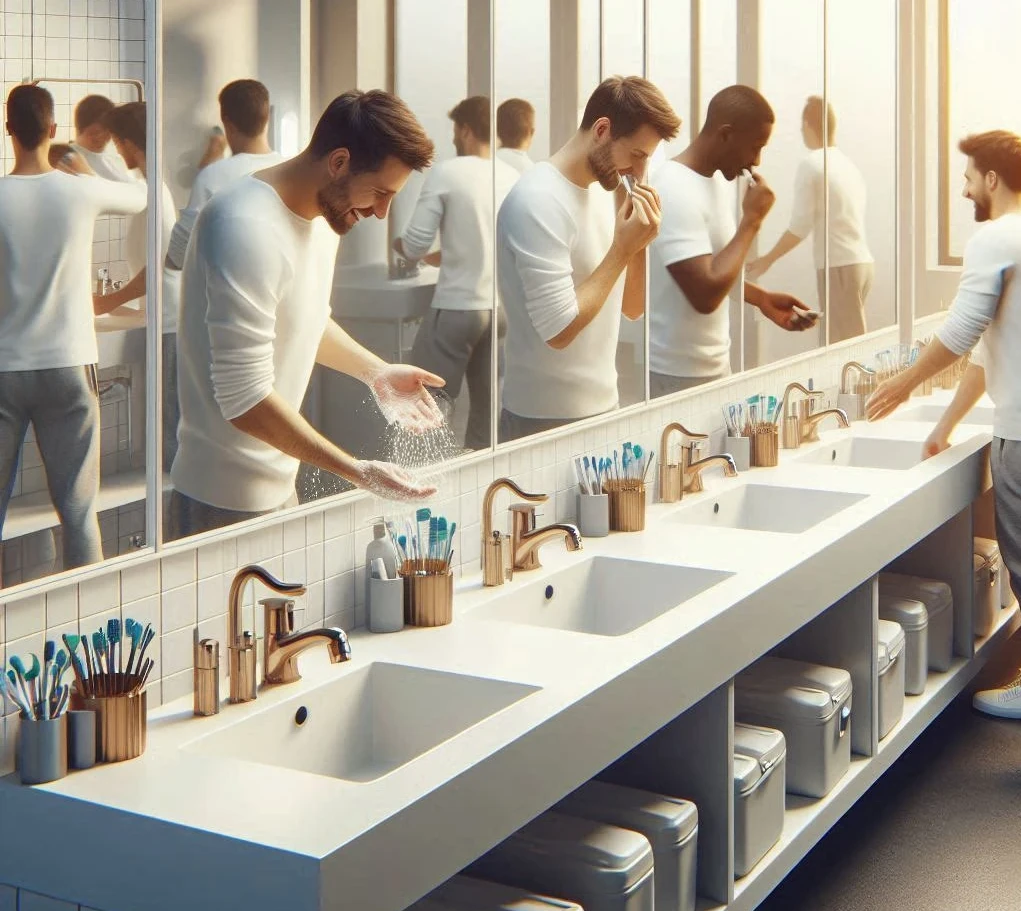
Personal hygiene practices are the steps you take to keep yourself clean and lower your risk of picking up or spreading infections. These sound basic, but they cover a lot of ground. Here are the most common habits you’ll see:
- Handwashing: Easily the top habit! Washing your hands with soap and water, especially after using the bathroom, sneezing, coughing, or before eating, helps keep germs at bay. Every now then hand washing is a great milestone to pure health.
- Bathing or showering regularly: Showering at least every couple of days helps remove dirt, sweat, dead skin, and any bacteria hanging out on your skin’s surface. I advise my clients to strive to bath twice daily.
- Oral hygiene: Brushing teeth twice a day, flossing once daily, and using mouthwash. These simple habits keep your mouth fresh, teeth healthy, and lower the chances of gum disease.
- Nail care: Keeping fingernails and toenails clean and trimmed helps avoid the buildup of dirt and bacteria, and can reduce chances of fungal infections.
- Hair care: Regularly shampooing and brushing your hair helps control oil, dirt, sweat, and external pollutants.
- Laundry: Wearing clean clothes and socks helps prevent skin irritation and unpleasant odors. There is a strong suggestion to do laundry at least one every week. This routine helps keep most clothes and beddings in good shape and clean.
- Foot care: Washing feet daily, drying them fully (especially between the toes), and wearing breathable, clean socks cuts down on foot odors and infections. This calls for consistent changing of socks too.
- Proper restroom habits: Wiping front to back, washing hands, and disposing of sanitary products in a waste bin all help prevent spread of bacteria. These places require very special hygienic practices.
Sticking to these basic routines keeps your body protected, limits the spread of germs, and just generally leads to a better sense of well-being, physically and socially. A well kept person has excellent confidence.
Types of Personal Hygiene

Breaking it down even more, personal hygiene isn’t limited to just one or two behaviors. It actually covers several different areas of care. Here’s a quick rundown of the main types:
- Bodily hygiene: Covers bathing, washing, and skincare. This keeps skin clean and helps prevent rashes, acne, and infections.
- Oral hygiene: Everything related to brushing, flossing, and keeping the mouth healthy.
- Hand hygiene: Focuses solely on cleaning your hands to prevent germs from making their way into your body or onto others. Most diarrheal diseases are fecal oral caused. The culprit is hands!!
- Nail hygiene: Involves trimming and cleaning fingernails and toenails.
- Foot hygiene: Encompasses daily washing and drying, especially important if you’re in warm or humid environments.
- Hair hygiene: Includes regular washing, brushing, and keeping hair free of lice and dandruff.
- Clothing and laundry: Wearing freshly washed clothes reduces body odor and skin issues.
- Menstrual hygiene: Involves using sanitary products, changing them frequently, and washing hands before and after changing any products.
Each area brings its own benefits. When these habits all work together, you get the healthiest results. Most health care prevention messages includes hygiene in them.
A Practical Routine for Good Personal Hygiene

You don’t need complicated rituals or fancy products to keep your hygiene habits on point. Here’s a straightforward routine I recommend for covering all the essential bases:
- Bathe or shower every one to two days, making sure to wash underarms, groin, feet, and any sweaty spots. For me I bath twice daily.
- Brush and floss morning and night. Topping off with mouthwash adds extra freshness.
- Wash hands before meals, after bathroom trips, and after blowing your nose or handling pets. Make it a habit to wash hands frequently.
- Trim nails once per week. Check for signs of swelling, redness, or unusual changes.
- Laundry gets done when clothes look or smell dirty, or after heavy sweat. Clean socks and underwear are non-negotiable daily swaps. Creating a consistent routine for these helps big time.
- Change bedsheets weekly, especially if you sweat at night.
- Manage periods using pads, tampons, or menstrual cups. Change products every 4 to 6 hours and always wash your hands before and after.
- Use deodorant or antiperspirant if you’re concerned about body odor, and always wash off at the end of the day.
If you’re starting new habits or making changes to your routine, try setting reminders on your phone or leaving yourself sticky notes around the bathroom. After a few weeks, these habits will probably start to feel automatic. Training of the brain is simple but requires great commitment.
Challenges & Tips for Sticking with a Hygiene Routine
 Too much is too bad for decision making
Even the most straightforward routines can sometimes fall apart. Maybe you’re in a rush, feeling under the weather, or just not in the mood for self-care. Here are a few tried-and-true tips that may help you keep hygiene simple and stress-free:
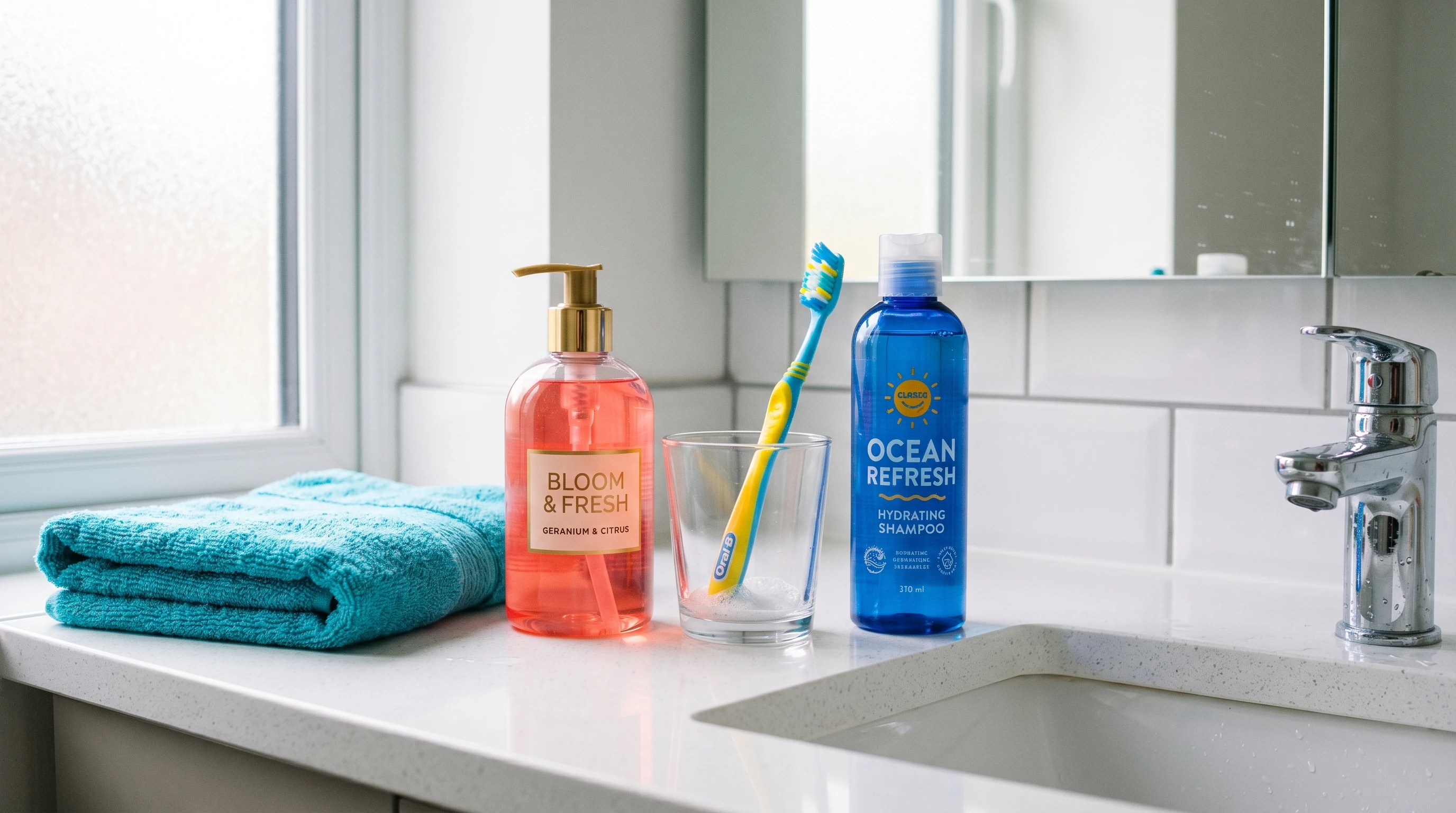
- Keep supplies within reach: Place soap, towels, and sanitizer in key places like the kitchen, bathroom, and by the front door.
- Opt. for travel sized products in backpacks, gym bags, or purses for on-the-go freshness.
- Set a timer when brushing teeth or washing hands so you spend enough time on each task.
- Choose comfortable, breathable clothes and swap out synthetic fabrics for cotton for better skin health.
- If you’re caring for kids or elderly relatives, try turning hygiene tasks into a fun game or group habit. This will prevent transmission of so many cross infections.
It’s also really important to listen to your body. If you notice changes in your skin, nails, teeth, or any other area, check in with a healthcare provider. Diseases, hormonal changes, or even stress can affect hygiene needs.
Real-World Impact of Good Personal Hygiene

Solid hygiene does more than keep you smelling good. It directly helps your body stay healthy. Washing hands before meals can cut the risk of stomach bugs, while brushing and flossing every day slashes the chance of cavities and gum disease. Kids who practice good hygiene tend to have fewer sick days at school, and adults lower their risk of workplace illnesses. Mental wellness even gets a boost, since feeling clean and fresh often makes it easier to feel confident and relaxed.
- Reduced illnesses: Fewer colds, stomach problems, and skin infections.
- Better skin and hair health: Less acne, irritation, dandruff, or fungal infections.
- Improved mental health: Feeling clean often leads to improved self-image and mood.
- Positive social interactions: Good hygiene makes you more comfortable around others and can make social situations way less stressful.
By making personal hygiene practices a normal part of your day, these benefits quickly become something you can count on.
Frequently Asked Questions
Here are answers to some common questions people often have about personal hygiene:
What are the personal hygiene practices?
Answer: The main personal hygiene practices are regular handwashing, daily bathing or showering, brushing and flossing your teeth, trimming nails, washing your hair, wearing clean clothes, and keeping feet and other body parts clean. These routines help protect your body from germs, keep you feeling fresh, and lower your chances of illness.
What are the types of personal hygiene?
Answer: The types of personal hygiene include bodily hygiene (like bathing and skincare), oral hygiene (taking care of your mouth and teeth), hand hygiene, nail hygiene, foot hygiene, hair hygiene, clothing and laundry care, and menstrual hygiene. Each type focuses on a different area of your health but all work together for full-body wellness.
Why is it important to have a personal hygiene routine?
Answer: Keeping up with a personal hygiene routine helps you avoid infections, improves your self-confidence, and makes day-to-day life more comfortable. A good routine also protects the health of people around you at home, school, or work.
How can parents teach children about personal hygiene?
Answer: Teaching by example, washing hands together, turning brushing teeth into a fun activity, and using colorful soaps, works really well. Consistency and small rewards for good habits go a long way, too.
Starting and Sticking to Your Hygiene Adventure
No matter your age or background, following clean, straightforward personal hygiene routines is a huge step toward feeling your best and staying healthy. Even the busiest schedules can fit in these habits, and most routines don’t cost much to keep up. Little by little, each habit adds to improved health, stronger confidence, and a more enjoyable day-to-day life. A few tweaks to your routine today can bring real benefits for years to come. Also I encourage studying this post slowly and carefully. It will change the way you look at certain routines.