
Keeping of the immune system running smoothly is a priority these days, especially with how busy life gets and how easy it is to reach for less-than-healthy snack options. I find that adding superfoods to meals has made a real difference, not just for energy levels, but for how often one feel run down or catch a cold. If you’re looking for some easy, practical ways to support your body’s defenses, here is a round up of top 10 superfoods that can give your immune system a real boost.
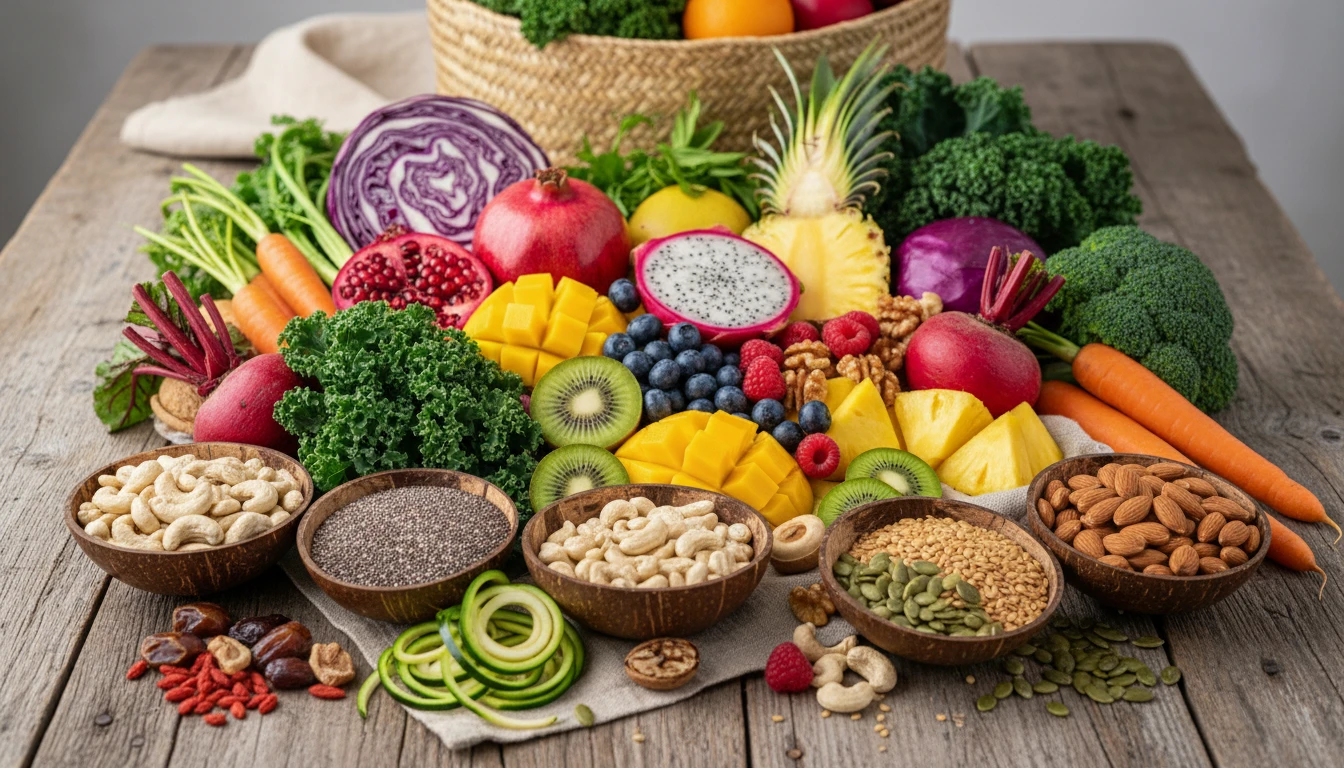
The Importance of Immune Health in Everyday Life
Making smart choices about what to eat can be tough, especially if you’re always on the go or working long hours. So many ready to eat foods aren’t actually that good for you. Even though nobody’s born malnourished, our habits and circumstances, like stress, skipping meals, or picking processed foods, can lead to deficiencies without us even realizing it.
Daily meal planning isn’t something most people do, but it’s actually pretty useful for making sure you’re getting what your body needs. I learned the hard way that just grabbing whatever’s quick can leave you feeling low on energy. Incorporating nutrient rich superfoods takes a bit of effort at first. However, having these foods on hand and working portions into meals goes a long way. Being prepared really does help you stay consistent with your nutrition and energy throughout the week. This is a milestone worth to be explored. Am sure you are brainstorming how we can navigate through this.
What Counts as a Superfood?
Superfoods get a lot of hype, but the idea is actually pretty simple: they’re foods packed with nutrients that work together to support your health in big ways. Think antioxidants, fibers, vitamins, and minerals that help your body fight off threats and repair itself. In my experience, even adding just a few into regular meals can be a game changer. Can we proceed? Yes!!
There isn’t a strict definition that says what is or isn’t a superfood, so I tend to focus on foods backed by a good amount of nutritional value. I’m talking about those that give you more benefits per bite. Hmmm this sounds good? Lets go…
I also think about how easy it is to add them to what I’m already eating, so there’s no need for major overhauls of my usual ‘go to meals.’ Yes! The best choices are the ones you enjoy and can work into your week comfortably. True.
Top 10 Superfoods!
Here’s my reliable list of superfoods that offer big immune perks. I’ll share what makes each one worth checking out, along with some quick tips on how to fit them into busy schedules. Take a breath and concentrate here.
- Berries (like blueberries, strawberries, and blackberries): Packed with vitamin C and antioxidants. Listen very well; Always have a bag of frozen berries ready. They’re perfect in oatmeal or smoothies, even if you can’t get them fresh. Mixing a cup of berries with Greek yogurt is a perfect tried and true snack. Options for yoghurt can be fresh or sour milk.
- Spinach: Not just Popeye’s thing. Spinach is loaded with beta carotene, vitamin C, and iron. I regularly sneak handfuls into omelets, pasta sauces, or stir it into soups for a nutritious twist. Backyard gardens can host these veggies easily.
- Citrus Fruits (oranges, grapefruits, lemons): An easy day starter, citrus boosts vitamin C intake and wakes up your palate. Squeezing lemon onto salads or drinking a glass of orange juice with breakfast is attainable for many. Sometimes slice oranges as a side snack for lunch. These can be planted on our backyard orchard or bought from nearby supermarkets.
- Nuts and Seeds (almonds, sunflower seeds, pumpkin seeds): Great for zinc, vitamin E, and healthy fats. A handful of these in a snack mix is super handy when you’re short on time. Add them to your oatmeal, stir them into yogurt, or just grab a handful on your way out the door. Very practical habit to adopt.
- Yogurt (with live cultures): Supports gut health, which is tied to immune function. Choose plain varieties and add your own fruit or honey for flavor. Greek yogurt is especially rich in protein and pairs well with berries or granola. Easily found but can be replaced with available flavors.
- Garlic: Known for immune boosting compounds like allicin. Adding it raw to salad dressings or mix roasted garlic into mashed potatoes for an easy flavor upgrade. Sometimes, stir it into sauces to add a punch of flavor and extra nutrients. Garlic is now common on the market.
- Broccoli: Full of vitamins A, C, and E, plus fiber. Steaming broccoli keeps the nutrients locked in, and it’s easy to throw into lunch leftovers or chop into stir fries. Broccoli is also simple to roast with a little olive oil for a quick side dish. Can be planted on our backyard garden for easy access.
- Sweet Potatoes: A colorful source of beta carotene (which your body turns into vitamin A). Baking them in batches and stash leftovers for quick lunches. I find cubing and roasting them makes it simple to add to salads or wraps for an easy meal upgrade. Mostly overlooked in our modern African societies. Particularly in Zambia, Sweet potatoes are downgraded to poor people. This is laughable.
- Green Tea: Contains flavonoids for antioxidant support. Hot or iced, green tea is easy to sip through the day, and even helps keep one alert when tired. Brewing a big batch in the morning to drink both hot and cold throughout the day is very beneficial.
- Turmeric: Its key compound, curcumin, helps with inflammation. Just sprinkling turmeric powder into rice, soups, or blend it into smoothies for a subtle kick. It’s also easy to add to roasted vegetables for extra color and flavor. A wide variety of stores now can stock pre packaged turmeric easily.
Fitting Superfoods Into a Busy Day
I’m realistic about time. Nobody I know sits down to hand plan meals every day. It is extremely difficult and time consuming sometimes. However, What’s working for many is getting a few habits down so it doesn’t feel like a chore. Here are some tricks that can be used to make superfood friendly meals happen, even on days with zero free time. Hmm sounds good…
- Stock Versatile Basics: Frozen berries, prewashed greens, and bags of nuts are convenient for grab and go snacks or mixing into main dishes. Also buy large tubs of Greek yogurt so you can just add toppings and go. Workable? Lets go!
- Batch Cook When Possible: Roasting a tray of sweet potatoes or broccoli once a week means you’re set for days. Prechopped veggies can quickly be tossed into any meal. Excellent!!
- Add, Don’t Replace: Throw spinach into pasta or add garlic to sauces you already love. No need to change everything at once. Just boosting the nutrition in meals you already eat can make a difference. Yes!
- Plan for Gaps: If you know some days will be tight, set aside single serving yogurt cups or keep green tea bags at your desk. Keep nuts in your bag for instant snacks during busy afternoons. This is handy.
- Watch Serving Sizes: Serving measures can seem stingy but they help you get consistent nutrition and avoid overdoing calories, especially with calorie dense nuts or seeds. I usually stick to about a small handful (roughly 1 ounce) for nuts or a cup for berries. Taking the time to measure servings helps keep things balanced and maintain energy throughout the day. Over eating certain foods can be harmful. This is a topic for another day.
How Circumstances Affect Nutrition
It’s easy to assume that if you’re not visibly sick or hungry, your nutrition must be fine. The truth is, most of us aren’t malnourished because of who we are, but because our lives just get in the way: rushing around, work stress, or challenges like access to fresh groceries. I’ve noticed some weeks food choices really suffer if we don’t plan a little. That’s why keeping easy superfoods around for days when things get hectic is good practice. This helps me avoid relying only on takeout or vending machines and keeps energy consistent.
Serving Sizes: Why They Matter
When I first started tracking what I ate, especially during my busy workplace days in busy rural health center military facilities, I realized I was way off with my portions—sometimes too much, sometimes too little. It’s not about restriction; it’s just about getting the right nutritional boost. I eventually changed my eating habits. For superfoods, a typical serving looks like this: Not standard but flexible.
- Berries: 1 cup
- Nuts and seeds: 1 ounce (about a handful)
- Leafy greens like spinach: 1-2 cups raw
- Yogurt: 1 cup
- Green tea: 1 cup brewed
- Broccoli or sweet potato: 1 cup cooked
- Turmeric: ½ to 1 teaspoon powder, or a small piece of fresh root
These portions fit easily into most meals, and once you know what they look like, it becomes pretty routine. They’re a simple way to add a nutritional punch without needing to overhaul your eating habits. Sticking to these serving sizes has really helped many balance their meals, especially on busy days when it’s easy to lose track.
Common Questions About Superfoods and Immunity
How often should I eat superfoods? In my experience, aiming for at least two to three different superfoods per day is an easy goal. It’s really about variety, so mixing things up week to week keeps things interesting and tasty. Even just rotating new options into your basic routine can help your meals stay fresh and keep you motivated.
Are superfoods enough to prevent illness? Superfoods help your immune system, but they’re not magic shields. Sleep, stress management, and regular movement all play a part. Adding superfoods works best when these other habits are also in place. Good nutrition supports your body, but it’s just one piece of the bigger wellness puzzle.
Do I need supplements if I eat these foods? For most people with access to a balanced diet, whole foods are preferable and give your body extra fiber and nutrients. If you have dietary restrictions, supplements might help fill gaps, but I always recommend chatting with your healthcare provider first. They can help you check for any specific deficiencies and figure out what works for you.
Bringing Superfoods Into Everyday Life
Making space for superfoods is a smart way to look out for your immune system, especially if you often skip out on full meals or fall back on processed snacks. With a little planning, it’s pretty simple to toss these ingredients into breakfasts, lunches, and snacks. Even small changes, like switching to Greek yogurt with berries, or adding a mug of green tea every day, can go a long way for your immune support over time. Keeping things easy and realistic means you’ll stick with it and get those steady benefits. Knowledge is continuous and practical.
You don’t have to be a nutrition expert or spend hours preparing meals. Just having a few basics ready and knowing how to spot a serving size can help make solid nutrition part of your daily routine, even on the busiest days. I’ve seen firsthand how it pays off with more energy and fewer sniffles all year round! Focus on small wins, and you’ll notice the difference in your overall wellbeing before too long.
Author: Elemiya Tembo RN, BTech HSM, MPH