Hypertension, or high blood pressure, is more common than many people think and can quietly increase risks for heart disease, stroke, and other health problems. Taking preventive steps and knowing how to manage hypertension is really important, whether you have high blood pressure yourself or want to support someone who does. I’m here to break down what you need to know and share practical ways you can keep blood pressure under control for yourself and your loved ones.
Understanding Hypertension
Hypertension develops when the force of blood consistently pushes too hard against the walls of your arteries. Over time, this increased pressure damages blood vessels and organs. You might not notice symptoms in the early stages; for this reason, it’s often called the “silent killer.” Regular blood pressure checks will help catch this condition early, before it causes bigger health issues.
The American Heart Association estimates that nearly half of adults in the United States have high blood pressure, yet many don’t realize it. Keeping a close watch on your numbers makes a big difference in your long-term health, not just for you but also for your loved ones who rely on you every day.
The Different Types of Hypertension
Hypertension isn’t a onesizefitsall condition. Checking out the different types can help you know what to look for and how to address your unique situation. Here are the main types:
- Primary (essential) hypertension: This is the most common type. It develops over time due to a mix of genetics, aging, and lifestyle factors such as diet and physical inactivity.
- Secondary hypertension: This type is caused by another health issue like kidney disease, hormonal disorders, or certain medications. Treating the underlying cause can sometimes keep blood pressure under control.
- Malignant hypertension: This is a rare but extremely serious type of hypertension where blood pressure rises quickly and significantly, causing organ damage. Immediate medical attention is needed for this situation.
- White coat hypertension: Some people experience high blood pressure only at the doctor’s office, often due to anxiety about being there. Blood pressure can appear normal at home but spike during medical visits.
What Causes Hypertension?
Several factors either directly cause or raise the risk of developing high blood pressure. Thinking about these helps with both prevention and early recognition. Here are 10 common causes, each with potential ways to address them:
- Genetics or family history of high blood pressure.
- Obesity or being overweight.
- Physical inactivity. Sitting for long periods can raise your risk. Try to move every hour.
- Poor diet, especially high in salt and low in potassium. Adding more fruits and vegetables improves potassium intake and benefits your whole body.
- Excessive alcohol consumption. Limiting alcohol to the recommended levels can lower your risk.
- Smoking and tobacco use. Avoiding tobacco altogether is one of the best things you can do for your heart and blood vessels.
- Chronic kidney disease. Managing underlying health conditions helps reduce risk factors.
- Longterm stress. Chronic stress puts a strain on your cardiovascular system.
- Obstructive sleep apnea. Getting treatment for sleep disorders can also help lower blood pressure.
- Certain medications (such as birth control pills, decongestants, or pain relievers). If you take any of these, talk to your doctor about how they might affect your blood pressure.
Spotting which of these factors apply to you allows for personalized changes to daily life and a more effective approach to prevention and management.
Key Ways to Prevent Hypertension
Good habits are the foundation of prevention. By working these into your routine, you put yourself in a stronger place to avoid high blood pressure or delay its onset. The three best ways I rely on to help prevent hypertension involve diet, movement, and stress management:
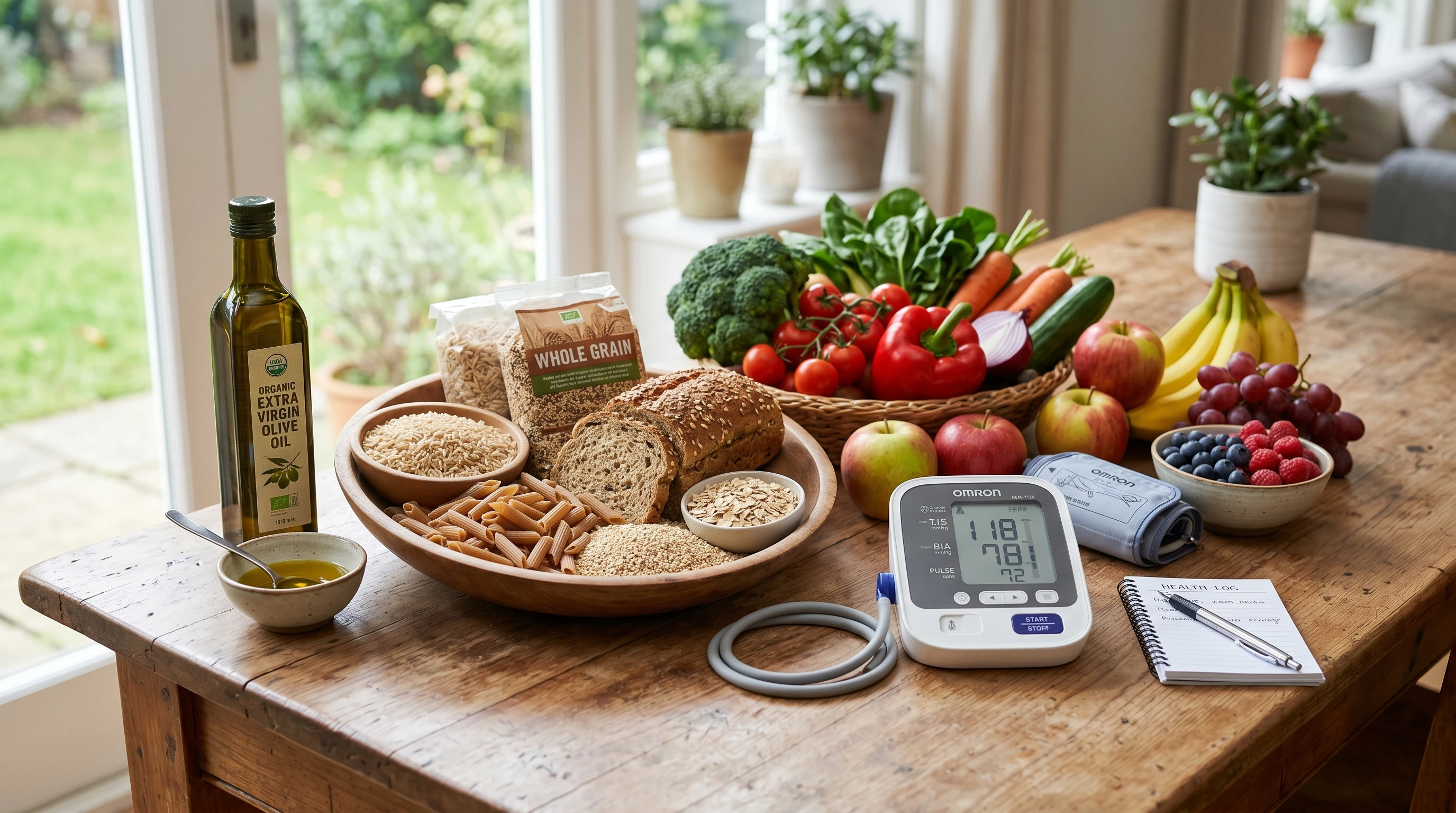
- Healthy Eating: Focus on a balanced diet rich in fruits, vegetables, whole grains, and lean proteins. Cutting back on your sodium (salt) intake is especially important. The DASH diet (Dietary Approaches to Stop Hypertension) is often recommended because it focuses on foods that naturally lower blood pressure and gives a boost to heart health.
- Physical Activity: Regular exercise, like brisk walking, cycling, or swimming, helps keep blood vessels flexible and strengthens your heart. Set a goal for at least 30 minutes of moderate activity on most days of the week. Small things, like taking the stairs instead of the elevator, also make a difference.
- Managing Stress: Chronic stress makes blood pressure tougher to keep under control. Set aside time for relaxation and hobbies you enjoy. Activities like meditation, deep breathing, or just spending time with friends can help give a boost to your mood and keep your numbers in check.
In addition to these three pillars, making sleep a priority and keeping regular checkups can strengthen your blood pressure management, giving you extra confidence along the way.
Everyday Tips for Keeping Blood Pressure Down
Making changes in daily routines can have a longlasting impact. Here are some practical steps I use myself and often mention to others:
- Limit processed and fast foods since these are usually high in salt and unhealthy fats.
- Cut back on caffeine and see how it affects your blood pressure. Everyone responds differently, so keep track.
- Read labels when buying groceries; check out sodium, fat, and sugar content.
- Keep a healthy weight by watching your calorie intake and portion sizes. Even modest weight loss can lower blood pressure.
- Don’t smoke and avoid secondhand smoke. Smoking damages blood vessels and adds to blood pressure problems.
- Check your blood pressure at home and track the results. Knowing your typical numbers helps you see what works for you over time.
- Limit alcohol to the guidelines: no more than one drink per day for women and two for men.
Other simple actions like drinking more water, setting reminders to move during workdays, and preparing snacks at home can also help keep your blood pressure steady.
Medical Management: When and How Doctors Step In
If lifestyle changes do not bring down blood pressure enough, doctors may recommend medication. The most effective management of hypertension involves a mix of daily habits and, if needed, medicines. Here are some common kinds of blood pressure medicines:
- Diuretics (water pills) that help your body eliminate extra salt and water.
- ACE inhibitors and ARBs that relax blood vessels.
- Calcium channel blockers that affect how your heart and blood vessels contract.
- Betablockers that reduce heart rate and the force of blood pumping.
Your provider will choose what suits your situation best. It’s important to take medications as prescribed and never stop suddenly without checking in with your doctor. Doctor visits help check on how well your treatment is working and let adjustments be made as you go.
Common Challenges and How to Overcome Them
Managing hypertension can sometimes be tricky, especially when life gets busy or health conditions change. Here are a few hurdles I often see, along with tips for overcoming them:
- Remembering medications: Using a pill organizer or phone reminders can prevent missed doses and keep your regimen on track.
- Meal planning: Packing snacks and lunches from home allows more control over your diet. Try prepping meals ahead for the week to stay consistent.
- Finding motivation to exercise: Teaming up with a friend or using a fitness tracker can make staying active more social and fun, increasing your success.
- Family support: Bringing loved ones into your healthy routines makes the experience easier and keeps everyone motivated. You might even inspire someone else to improve their own health along the way.
It can also help to set small, realistic goals and celebrate progress, no matter how minor. Remember that setbacks are part of the process. The important thing is to get back on track and not give up.
Frequently Asked Questions
Here are answers to the most searched questions people have about hypertension.
What are the 4 types of hypertension?
Answer: Primary (essential) hypertension, secondary hypertension, malignant hypertension, and white coat hypertension are the four main types. Each one has different causes and risks, so diagnosis and management may vary.
What are three ways to prevent hypertension?
Answer: Eating a healthy, low-sodium diet, staying physically active, and managing stress are three effective ways to prevent hypertension, even if you have a family history of it.
What are 10 causes of hypertension?
Answer: Common causes include genetics, obesity, inactivity, a high salt diet, heavy alcohol use, smoking, chronic kidney disease, high stress, sleep apnea, and certain medications.
What is the best management of hypertension?
Answer: The best approach to managing hypertension is combining lifestyle changes—such as diet, exercise, and stress relief—with medication if needed. Working closely with your doctor and tracking your blood pressure at home will help keep it well controlled.
References
- Centers for Disease Control and Prevention – About High Blood Pressure
- American Heart Association – High Blood Pressure (Hypertension)
- National Heart, Lung, and Blood Institute – Hypertension
- Mayo Clinic – High Blood Pressure (Hypertension)
Taking realistic steps toward preventing and managing hypertension makes a real difference for your long term health and daily wellbeing. Small choices add up, and with some attention and planning, you can help protect your heart and keep your blood pressure where it should be, enabling you to enjoy life to the fullest.