
Good sleep can make a huge difference in how you feel both physically and mentally. The thing is, a lot of people struggle with getting truly restful sleep. I know how frustrating that can feel; tossing and turning, waking up groggy, and still feeling exhausted no matter how many hours you spend in bed. Understanding how to improve sleep quality naturally is pretty handy, especially if you want a better night’s rest without relying on medication or heavy sleep aids.
Understanding Why Sleep Quality Matters
Getting enough sleep has been linked to better mood, clearer thinking, and stronger immunity. When you’re stuck in cycles of bad sleep, you might notice more brain fog, irritability, or even health problems like high blood pressure or weight gain over time. What’s really important is focusing not just on the hours of sleep, but on the quality of that sleep so you wake up genuinely refreshed.
Deep, restorative sleep lets your body repair muscles, balance hormones, and solidify memories. Missing out on quality sleep makes it tough to function at your best during the day. That’s why simple changes in your environment and nightly habits are worth checking out.
Simple Habits That Give a Boost to Sleep Quality

There’s a common question: how can I step up my sleep quality? I’ve found these tips work well for a lot of people (including me):
- Keep a Consistent Sleep Schedule: Waking up and going to bed at roughly the same time each day helps lock in your body’s internal clock so falling asleep gets easier over time.
- Create a Relaxing Pre-Bedtime Routine: Activities like reading a physical book, gentle stretching, or listening to calming music can really nudge your brain toward sleep mode.
- Limit Blue Light Exposure at Night: Screens (phones, laptops, TVs) give off blue light that tricks your brain into thinking it’s still daytime. Try swapping screen time for quiet activities or use a blue light filter if you can’t avoid your device altogether.
- Avoid Large Meals and Caffeine Late in the Day: Eating big dinners or drinking coffee too late can mess with digestion and stimulate your nervous system, both of which can make falling asleep tougher.
- Get Some Sunlight During the Day: Natural daylight exposure (even just 20-30 minutes in the morning) helps set your natural circadian rhythm, so your body knows when it’s time to be awake, and when it’s time to wind down.
It’s also helpful to check out how much water you drink late in the day. Reducing liquids an hour or two before bed can keep bathroom trips from disrupting your rest.
Shaping Your Sleep Environment

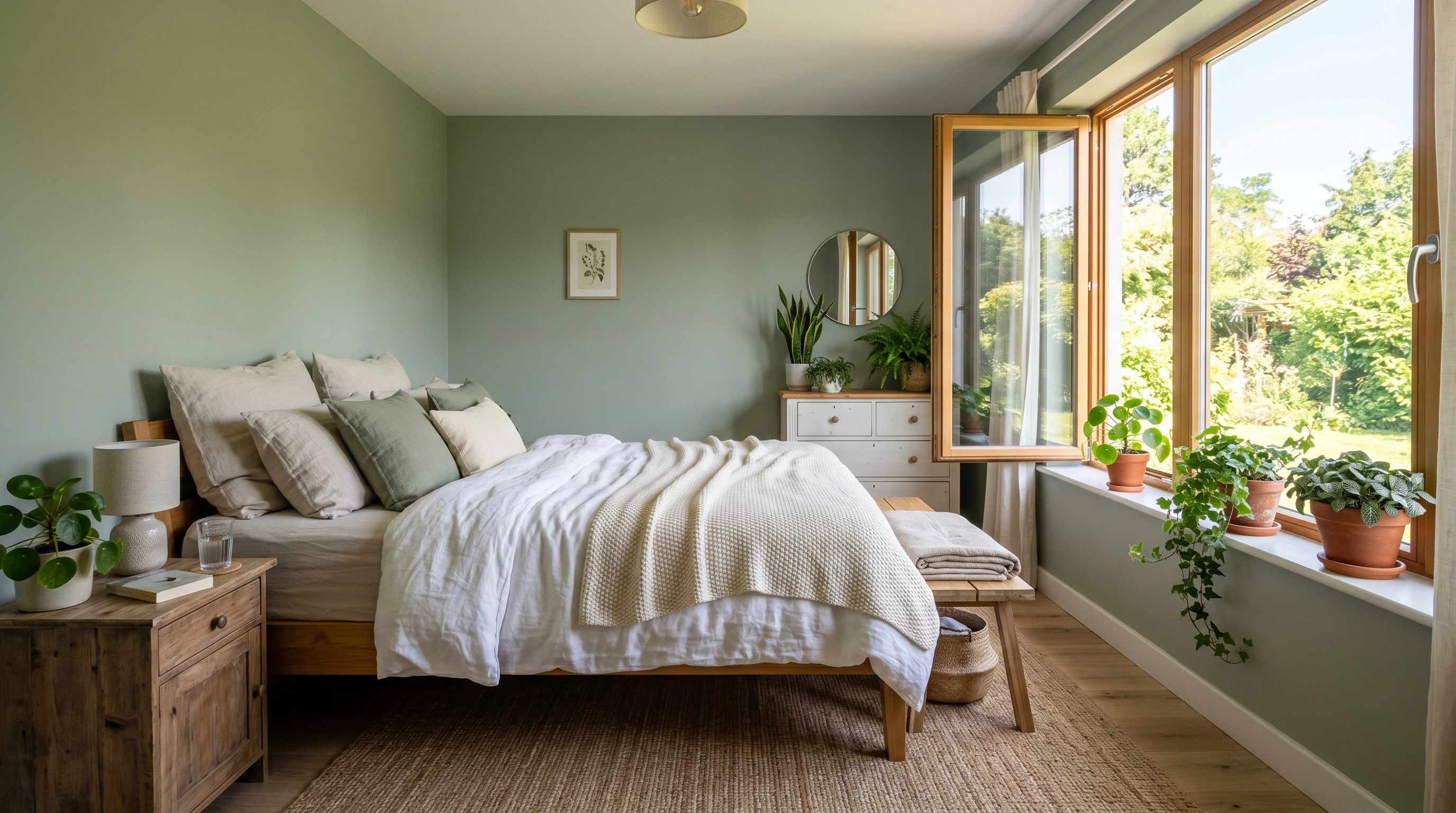
Where you sleep matters just as much as how you sleep. Making a few tweaks to your bedroom environment can make a real difference:
- Keep It Cool: A slightly cooler room, around 65°F (18°C), encourages deeper sleep and keeps your body comfy all night.
- Lower Noise Levels: If you’re dealing with traffic sounds or noisy neighbors, white noise machines or earplugs can help drown out distractions.
- Block Out Light: Even small LEDs from electronics or early morning sunlight can disturb sleep. Blackout curtains or an eye mask work pretty well.
- Invest in a Comfortable Mattress and Pillow: Being comfortable is super important for good sleep. Make sure your mattress and pillow fit your sleep style, whether you’re a side sleeper, back sleeper, or somewhere in between.
How Air Quality Affects Your Sleep
Air quality isn’t always the first thing that comes to mind when thinking about sleep, but it really does make a difference. Poor air quality, like dry air, dust, or indoor allergens, can cause stuffy noses, coughing, or worsen allergy symptoms, which can interrupt your sleep cycles. An air purifier can help reduce allergens, and a humidifier might keep air moist if it’s too dry in your room. Fresh air from an open window (weather permitting) also feels great.
Don’t overlook the benefits of keeping your beddings clean. Regular washing helps cut down on dust mites and allergens, giving a real boost to your breathing through the night.
Supplements and Natural Helpers for Sleep

Sometimes, good sleep needs a little support from natural supplements. If you’re wondering what supplements are good for deep sleep, here are a few that people commonly use:
- Melatonin: This hormone helps regulate your sleep-wake cycle. It’s useful if you’re jet-lagged or deal with shift work, but it’s best used occasionally rather than every night.
- Magnesium: Magnesium can calm nerves and relax muscles, so a supplement or a warm bath with Epsom salts before bed can work well.
- Valerian Root: Some people find valerian helps with falling asleep, though more research is needed to confirm how well it works for everyone.
- Chamomile: Often consumed as herbal tea, chamomile has mild sedative effects that feel soothing before bed.
If you’re thinking about supplements, speaking with a healthcare provider is always a smart idea, especially if you take other medications or have health conditions. Some people also use L-theanine or glycine for relaxation, but always ask your doctor before starting anything new.
Common Sleep Issues and How To Address Them

- Waking Up Frequently at Night: This can happen from too much caffeine, anxiety, or a snoring partner. Simple steps like managing stress or using a white noise machine can help. If sleep interruptions are regular, tracking your sleep with a notebook or app might reveal a pattern you can fix.
- Struggling to Fall Asleep: If your mind races at bedtime, try jotting down your thoughts before lights out or experimenting with guided meditations. There are lots of free apps for sleep meditation worth trying.
- Feeling Tired Even After Sleeping: This could be from poor-quality sleep, not enough time in deep sleep stages, or even an underlying condition like sleep apnea. Paying attention to your habits and room environment can help, but if tiredness continues, a conversation with your doctor can rule out bigger issues.
How to Get 100% Sleep Quality
You’ve probably seen sleep trackers promise “100% sleep quality.” While it’s a fun metric, real life doesn’t always allow for a perfect score. What you can do is stack the odds in your favor:
- Go to bed and wake up at the same time every day, even on weekends.
- Make your bedroom as dark, quiet, and cool as possible.
- Use your bed only for sleep and relaxing (skip working or eating in bed).
- Avoid screens an hour before bedtime.
- Fit in exercise during the day, even a walk, but don’t exercise too close to bedtime.
Tracking your sleep with a wearable or app can show you what’s working and map out your progress as you make small changes. Instead of aiming for a perfect “score,” focus on feeling rested and alert during the day. That’s the real indicator that your sleep habits are headed in the right direction.
Advanced Tips for Even Better Sleep
Once you’ve got the basics covered, there are a few more strategies to try out for next-level cool sleep quality:
- Try Mindfulness or Meditation Before Bed: Guided meditation, simple breathing exercises, or progressive muscle relaxation help your mind and body dial down from a busy day.
- Manage Stress During the Day: Chronic worries can build up tension that’ll follow you into bed. Short breaks, journaling, or hobbies can help you process the day and shake off stress.
- Don’t Watch the Clock: Checking the time every time you wake up can make falling back asleep harder. If you catch yourself staring at the clock, flip it so you can’t see the time or put it on the other side of the room.
Adding a regular wind-down time, where you dim the lights and switch off electronic devices, can help your brain get into sleep mode before you even slip into bed.
Real-Life Sleep Upgrades Worth Trying
There are a few real-life adjustments that often make a bigger difference than expected:
- Natural Scents: Aromatherapy with essential oils like lavender or cedarwood can be soothing. Just a drop on your pillow or in a diffuser is usually enough.
- Declutter Your Bedroom: A tidy, peaceful space feels more relaxing and can help sleep come easier.
- Consider Layered Bedding: Having layers makes it easier to adjust if you get hot or cold without fully waking up at night.
A bedroom plant or two can also freshen the air and give the room an inviting vibe. Just be sure to pick varieties that do well indoors without much maintenance.
Frequently Asked Questions
How can I step up my sleep quality?
Answer: Stick to a consistent sleep schedule, create a wind-down routine, keep your bedroom cool and dark, and limit caffeine and screens in the evening. Managing stress and keeping your space tidy also help.
How can air quality affect sleep?
Answer: Clean, fresh air helps you breathe easier and reduces stuffiness or allergies. Poor air quality can trigger snoring, nighttime coughing, or restless sleep. An air purifier or regular cleaning can make a big difference.
What supplements are good for deep sleep?
Answer: Melatonin, magnesium, valerian root, and chamomile are popular choices. Always check with your doctor first, especially if you’re taking other medications or have health issues.
How to get 100% sleep quality?
Answer: While perfect sleep scores are rare, you can give a boost to your sleep quality by sticking to a schedule, controlling your bedroom environment, managing stress, moving your body during the day, and avoiding screens at night.
Small Changes, Big Sleep Results
Improving sleep quality naturally is all about building simple habits, making your bedroom comfortable, and paying attention to your body’s needs. Everyone’s sleep rhythm is a little different, so experiment with these ideas until you find what works for you. With a bit of patience, you’ll start waking up more refreshed, ready to enjoy your days with more energy and focus.
stay consistent. Happy Health life!