Understanding heart health starts with knowing how the heart functions and what daily choices can support its well-being. Heart health affects every part of my body, from energy levels to long-term wellness, so I find it really important to get the basics right. By paying attention to signs, making healthy decisions, and staying aware of risks, I can give myself a much better chance at keeping my heart in good shape for years to come.
Why Heart Health Matters and How to Understand It
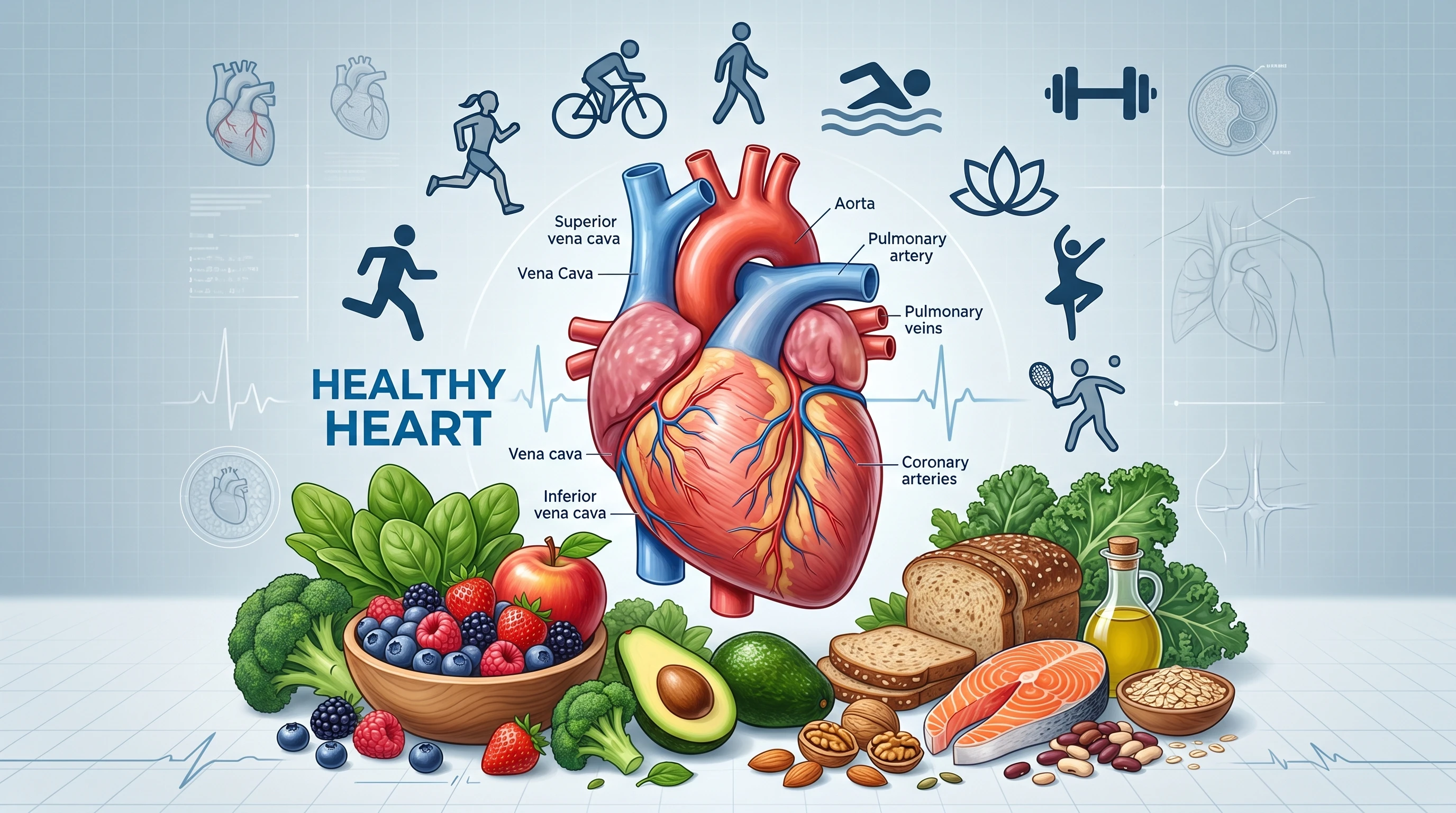
Heart health is all about how well my heart and blood vessels function together. My heart works like a pump, moving blood through arteries and veins to deliver oxygen and nutrients to every cell. If my heart and vessels are healthy, blood flows easily and my risk for problems like heart attack or stroke is much lower. Problems often start when vessels become blocked or damaged, which can make my heart work harder and lead to symptoms over time.
To gain a sense of my own heart health, I pay attention to key measurements that show how well my cardiovascular system is functioning. That includes my blood pressure, cholesterol numbers, heart rate, and symptoms like chest pain or shortness of breath. Regular checkups with my doctor help track these numbers and catch early warning signs.
Making small tweaks to my eating habits, stress levels, and daily movement helps me stay on track. Learning about risk factors such as smoking, family history, or uncontrolled diabetes also allows me to make smarter choices day to day. For more details, Johns Hopkins Medicine explains the basics of heart health and why it’s important (Johns Hopkins Medicine).
Knowing the importance of consistent heart care helps me focus on practical steps I can use daily. Staying informed about new research and ongoing health recommendations makes it easy to adjust my habits for better results. Whether it’s cooking new recipes or learning fresh ways to get moving, I try to keep things interesting so I’ll stick with healthy routines.
Understanding Heart Attacks: The 4 P’s
Being able to spot a heart attack early can make a big difference. Health professionals use the “4 P’s” as a simple way to remember the main signs:
- Pain: I often hear that the pain feels like pressure, tightness, or squeezing in the chest. It can also show up in the back, arms, neck, or jaw.
- Pallor: This means looking unusually pale. It usually happens because the heart isn’t pumping blood effectively.
- Perspiration: Breaking out in a cold sweat is common during heart attacks, even if the room isn’t hot.
- Pulse: The heart rate can become irregular or unusually fast, and I might notice a fluttery feeling in my chest.
Not everyone has the same symptoms, especially women or older adults, so knowing these basics helps me act fast if I notice anything unusual. You might also get symptoms like nausea, lightheadedness, or exhaustion that might be easy to overlook. More details are available from the British Heart Foundation (BHF Signs of Heart Attack).
What Everyday Choices Support Heart Health?
Taking care of my heart is often about the small, steady habits I build into my routine. These include:
- Eating more fruits, veggies, and whole grains while cutting out processed foods and excess salt
- Staying physically active every day, even simple walks or light exercise
- Finding ways to relax and reduce stress, like deep breathing or yoga
- Getting enough sleep and setting a regular bedtime
- Avoiding tobacco and limiting alcohol
- Checking in with my doctor regularly to track blood pressure and cholesterol
- Keeping a healthy body weight
These practical habits are easy to start and add up over time. They match up with research-backed recommendations from both the American Heart Association (AHA Healthy Living) and the CDC.
Meal planning, preparing healthy snacks in advance, and setting reminders for physical activity help me stay consistent. When I set realistic goals and track my progress, it’s easier to see improvements and stay motivated. For example, swapping out just one sugary drink a day for water adds up in the long run.
The 7 Habits for Heart Health
The American Heart Association shares “Life’s Simple 7” for heart health, which I use as a personal checklist to keep my lifestyle on the right path:
- Manage blood pressure: I keep an eye on my numbers with regular checks, since high blood pressure is a major risk.
- Control cholesterol: I reduce animal fats and increase plantbased foods, which supports better cholesterol levels.
- Reduce blood sugar: I am mindful of sugary snacks and try to include more complex carbs.
- Get active: I aim for 150 minutes of moderate exercise each week, like brisk walking or cycling.
- Eat better: Every meal is a chance to choose more fruits, vegetables, legumes, and nuts.
- Lose weight (if needed): Carrying less extra weight takes pressure off my heart.
- Stop smoking: I stay away from cigarettes and secondhand smoke, since smoking directly damages my artery walls.
These habits give me a practical roadmap for steady improvement, no matter my starting point. You can read more on the AHA’s Life’s Simple 7 resource page.
Even small progress in each of these areas makes a real difference. When I stay aware of my habits and take time to celebrate successes—like cooking a new vegetable dish or hitting a walk goal—it keeps me motivated.
The 8 Essentials of Heart Health
For another approach, the “8 essentials” offer tips that go beyond just medical checks and numbers. They cover both physical and mental well-being, helping me build a fuller picture of what helps my heart most. These essentials include:
- Eat a healthy diet that’s rich in whole, plantbased foods
- Get daily physical activity that brings up my heart rate
- Maintain a healthier weight for my size and body type
- Balance blood pressure through diet, exercise, and regular monitoring
- Limit alcohol and avoid other risky substances
- Reduce stress using techniques like meditation or hobbies I enjoy
- Control cholesterol levels to reduce buildup in my arteries
- Monitor blood sugar and aim for levels in a healthy range
Focusing on these eight basics covers not only the biological but also lifestyle sides of heart health. For a super detailed guide, the World Heart Federation shares helpful resources (World Heart Federation).
Making changes all at once might feel overwhelming, so I try to focus on one or two essentials at a time. Tracking progress and finding supportive communities—whether in person or online—helps keep me accountable and inspired.
Common Challenges on the Road to a Healthier Heart
I sometimes find it tough to stick with new routines or fight off old habits. Here are a few obstacles I’ve faced and what works for me:
- Time pressure: I use short bursts of activity, like 10-minute walks during lunch breaks, to stay active even on busy days.
- Tempting foods: I bring healthy snacks along so I’m less likely to grab processed foods or sugary drinks.
- Family history: If my family has heart disease, I remind myself that healthy habits still make a difference, even if I’m at higher risk.
- Stress: When stress runs high, I use breathing exercises, creative hobbies, or just step outside for fresh air to help keep my heart rate steady.
Keeping strategies simple makes it a lot easier to follow through, and every small win gives me more motivation to keep going. I also find that sharing my goals with friends or family encourages them to get involved and support me.
Tips to Put Heart Health First
Staying on top of heart health feels a lot easier when I break it down into steps I can actually fit into my day. Here are tips that have worked for me:
- I keep water nearby so I stay hydrated and avoid sugary drinks.
- I block out time on my calendar for short walks, meal prep, or stretching.
- I ask friends or family to join me for walks or healthy meals for encouragement.
- I read labels to check for hidden salt, fat, and added sugars.
Trying new activities like dancing, group exercise classes, or hiking keeps heart-healthy routines fun and fresh. Joining online challenges or tracking progress with an app can be motivating as well. These actions are simple, but they pay off, especially over weeks and months. The CDC also suggests tools and trackers for personal heart health monitoring (CDC Heart Health Prevention).
Frequently Asked Questions About Heart Health
How to understand heart health?
If I want to get a better feel for my heart health, I start by tracking basic numbers like blood pressure, cholesterol, heart rate, and blood sugar. Regular doctor visits and simple home devices (like blood pressure monitors) give me a clearer picture of my status. Watching out for signs like fatigue, chest discomfort, or shortness of breath is also really important.
What are the 4 P’s of a heart attack?
The 4 P’s stand for pain (chest or other areas), pallor (unusual paleness), perspiration (cold sweat), and pulse changes (irregular or rapid heartbeat). Knowing these can help me spot a problem and get help quickly.
What are the 7 habits for heart health?
The seven habits are managing blood pressure, controlling cholesterol, managing blood sugar, being physically active, eating healthier, maintaining a healthy weight, and avoiding smoking. Building these into my daily life puts me on a good path for heart health.
What are the 8 essentials of heart health?
The eight essentials are eating a healthy diet, being active, keeping a healthy weight, balancing blood pressure, limiting alcohol and risky substances, reducing stress, controlling cholesterol, and keeping blood sugar in check. Each of these helps my heart work its best.